How an Aluminum Casting Company supports engineering excellence
Wiki Article
Just How Aluminum Casting Adds To Reliable Manufacturing Solutions
Aluminum spreading plays a necessary duty in modern manufacturing. Its light-weight nature and deterioration resistance make it a preferred option for different industries. Techniques such as die spreading and sand casting permit for the production of intricate components with minimal waste. The integration of automation additional improves manufacturing performance. The implications of these developments extend past mere efficiency - Aluminum Casting Company. Comprehending the more comprehensive influence reveals significant insights into the future of productionThe Advantages of Aluminum in Manufacturing
Various steels are made use of in production, light weight aluminum stands out due to its unique residential or commercial properties that enhance manufacturing effectiveness and product efficiency. Its lightweight nature significantly lowers transport prices and energy needs in various applications. Light weight aluminum's exceptional corrosion resistance guarantees durability and durability, decreasing the demand for constant replacements and upkeep. This metal can be easily molded and shaped, allowing for functional design choices that fulfill specific industry demands. Additionally, aluminum exhibits remarkable thermal and electric conductivity, making it an ideal option for applications calling for efficient warmth dissipation and electric administration. The recyclability of aluminum also plays a crucial duty in sustainable manufacturing methods, as it can be reused without shedding its integral residential or commercial properties. Generally, the benefits of aluminum in making cause set you back savings, boosted product longevity, and a decreased environmental impact, making it a favored product in numerous sectors.Key Aluminum Casting Techniques
Aluminum casting techniques are necessary for producing top quality parts in numerous producing processes. The main approaches consist of sand spreading, die spreading, and investment casting. Sand spreading involves creating a mold and mildew from sand, which enables complex shapes and large elements. This technique is commonly preferred for its cost-effectiveness and adaptability. Die casting, on the other hand, uses high-pressure to inject liquified light weight aluminum right into steel molds, resulting in accurate, uniform parts appropriate for high-volume manufacturing. Financial investment casting provides superior surface finish and detailed detail by making use of a wax pattern that is disappeared to form the mold and mildew. Each of these methods has specific applications and benefits, permitting makers to select the most suitable approach based on elements like production complexity, product, and quantity specifications. By comprehending these crucial techniques, producers can boost their manufacturing efficiency and assure the integrity of their aluminum elements.Influence on Automotive Sector
As the automotive industry increasingly prioritizes lightweight products to boost gas performance and efficiency, light weight aluminum spreading has become a vital solution. This production process permits automakers to generate complex components with reduced weight without jeopardizing structural stability. By utilizing aluminum casting, producers can produce components such as engine blocks, transmission real estates, and suspension elements that are not only lighter yet also exhibit excellent thermal conductivity and deterioration resistance.Additionally, the flexibility of light weight aluminum casting techniques allows the production of elaborate layouts, promoting development in lorry aesthetic appeals and capability. As vehicles become much more technically advanced, the capacity to integrate attributes like advanced safety systems and electric drivetrains comes to be important.

Aerospace Applications of Light Weight Aluminum Casting
Aluminum casting plays an essential function in aerospace applications by making it possible for the production of light-weight structural parts that boost fuel effectiveness. In addition, the accuracy of light weight aluminum casting enables the development of complex engine components, which are essential for peak performance and integrity. This combination of light-weight materials and precise engineering positions aluminum casting as an important modern technology in the aerospace sector.Lightweight Structural Parts
In the quest for boosted efficiency and performance in aerospace applications, lightweight architectural elements have actually ended up being progressively vital. Light weight aluminum casting plays a critical duty in this venture, offering producers with the ability to create components that are both light-weight and solid. The low density of light weight aluminum enables significant weight reductions without jeopardizing structural integrity, which is critical for aircraft efficiency and fuel efficiency. Additionally, aluminum castings can be engineered to satisfy certain layout requirements, making it possible for the development of intricate geometries that traditional manufacturing methods may battle to accomplish. This adaptability not just improves production processes however also adds to total price savings. As the aerospace industry continues to stress sustainability, the demand for light-weight light weight aluminum components is expected to increase, additionally progressing technology in manufacturing.Accuracy Engine Components
Suppliers significantly count on light weight aluminum casting to produce accuracy engine parts for aerospace applications, driven by the product's distinct buildings. Aluminum's light-weight nature considerably lowers general aircraft weight, boosting gas performance and performance. Its superb corrosion resistance guarantees durability in severe settings, making it excellent for critical engine components. Furthermore, aluminum spreading permits tight tolerances and elaborate layouts, crucial for enhancing engine performance and dependability. The spreading process likewise supports mass production, making it possible for manufacturers to meet high demand while keeping high quality requirements. As aerospace modern technology remains to breakthrough, the function of light weight aluminum spreading in producing accuracy engine components will be essential in achieving higher efficiency and technology in aircraft style and capability.Sustainability and Ecological Benefits
The growing emphasis on sustainability in manufacturing has actually placed aluminum casting as a leading remedy for eco aware manufacturing. This procedure makes use of recycled aluminum, which substantially decreases energy intake compared to key light weight aluminum manufacturing. By leveraging scrap metal, manufacturers can lower their carbon impact and decrease waste, lining up with worldwide sustainability goals.Furthermore, light weight aluminum spreading creates fewer harmful exhausts, adding to a cleaner environment. The light-weight nature of light weight aluminum additionally boosts fuel efficiency in transportation applications, additionally promoting environmentally friendly techniques.
Moreover, the durability and corrosion resistance of light weight aluminum bring about longer item life-spans, decreasing the requirement for constant replacements and saving resources. As sectors increasingly prioritize lasting choices, light weight aluminum spreading stands apart as an innovative method that not only meets manufacturing demands however likewise sustains ecological stewardship. This dedication to sustainability placements aluminum spreading as an essential player in the shift towards a greener production landscape.
Cost Effectiveness in Production
Price effectiveness is a substantial advantage of aluminum casting, matching its sustainability benefits - Aluminum Foundry. The procedure of light weight aluminum spreading permits the production of complex forms with minimal waste, which is especially vital in an affordable production environment. Using aluminum reduces power costs, as it has a reduced melting point contrasted to other metals, leading to minimized power usage during manufacturingAdditionally, light weight aluminum's lightweight buildings add to decrease shipping and taking care of expenses, even more improving overall expense efficiency. The sturdiness and deterioration resistance of aluminum cast items additionally imply that they require much less upkeep and substitute over time, causing long-lasting savings for makers.
Additionally, innovations in casting technologies, such as boosted mold and mildew styles and automation, have structured manufacturing procedures, minimizing labor costs and enhancing output efficiency. In general, price efficiency in light weight aluminum spreading plays an important duty in optimizing manufacturing procedures and sustaining affordable prices methods.
Future Patterns in Aluminum Casting
The future of aluminum spreading is increasingly shaped by innovations in automation and lasting product developments. Automation modern technologies are anticipated to improve efficiency and precision in the spreading process, while sustainable methods intend to lower ecological effect. get more info Together, these patterns promise to redefine production standards and methods within the light weight aluminum spreading market.Automation in Light Weight Aluminum Casting
Embracing automation is transforming light weight aluminum spreading procedures, leading the means for enhanced effectiveness and precision. Automated systems simplify manufacturing by reducing human treatment, decreasing errors, and increasing throughput. Technologies such as robot arms and computer mathematical control (CNC) devices permit consistent and exact shaping of aluminum components. Furthermore, clever sensing units keep an eye on different criteria in genuine time, ensuring excellent problems throughout the casting process. This integration of automation not just reduces preparations but additionally enhances product quality by preserving tighter tolerances. As manufacturers significantly adopt these innovative innovations, the aluminum spreading sector is readied to experience substantial enhancements in operational efficiency, cost-effectiveness, and competition in the worldwide market.Lasting Material Innovations
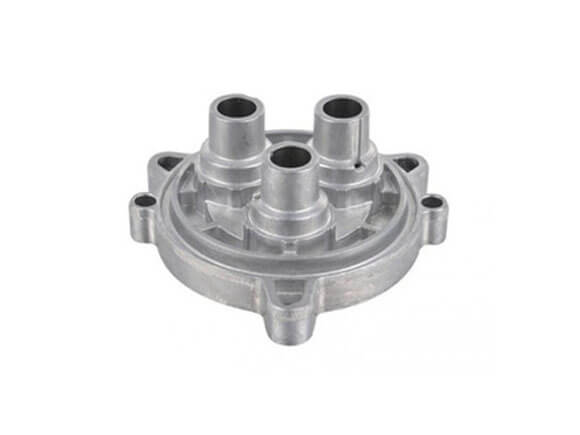
Frequently Asked Concerns
What Sorts Of Aluminum Alloys Are Frequently Used in Spreading?
Typically used light weight aluminum alloys in casting include 356, 380, and 413. These alloys are favored for their excellent fluidness, stamina, and deterioration resistance, making them ideal for a range of commercial applications.Just How Does Aluminum Spreading Contrast to Various Other Metal Casting Approaches?
Light weight aluminum casting typically uses reduced weight, premium rust resistance, and better thermal conductivity contrasted to other steel casting approaches. Furthermore, it enables elaborate layouts and faster manufacturing cycles, enhancing overall manufacturing performance and performance.What Industries Benefit The Majority Of From Aluminum Spreading?
The automobile, aerospace, and electronics industries profit most from aluminum spreading. These markets use its lightweight, corrosion-resistant homes to improve performance, decrease fuel intake, and enhance general product efficiency, making light weight aluminum spreading significantly essential.Exist Particular Layout Limitations With Aluminum Spreading?
Yes, aluminum casting has layout restrictions, including restrictions on wall thickness, facility geometry difficulties, and prospective issues with achieving limited resistances (Aluminum Casting Company). These factors can influence the general toughness and capability of the final productHow Is Quality Assurance Maintained in Light Weight Aluminum Casting Processes?
Quality assurance in aluminum casting processes is maintained with rigorous inspections, adherence to standard treatments, and the usage of innovative innovations. Regular monitoring guarantees dimensional precision, surface area honesty, and product consistency throughout production, promoting overall reliability.As the automobile market progressively prioritizes light-weight products to improve fuel effectiveness and performance, aluminum casting has actually emerged as a critical option. Light weight aluminum spreading plays a crucial role in aerospace applications by allowing the manufacturing of light-weight structural components that boost fuel efficiency. Expense performance is a significant benefit of aluminum casting, matching its sustainability benefits. Embracing automation is changing light weight aluminum spreading processes, leading the way for enhanced effectiveness and accuracy. Recycled light weight aluminum usage has actually acquired grip, substantially lowering energy intake contrasted to primary light weight aluminum production.
Report this wiki page